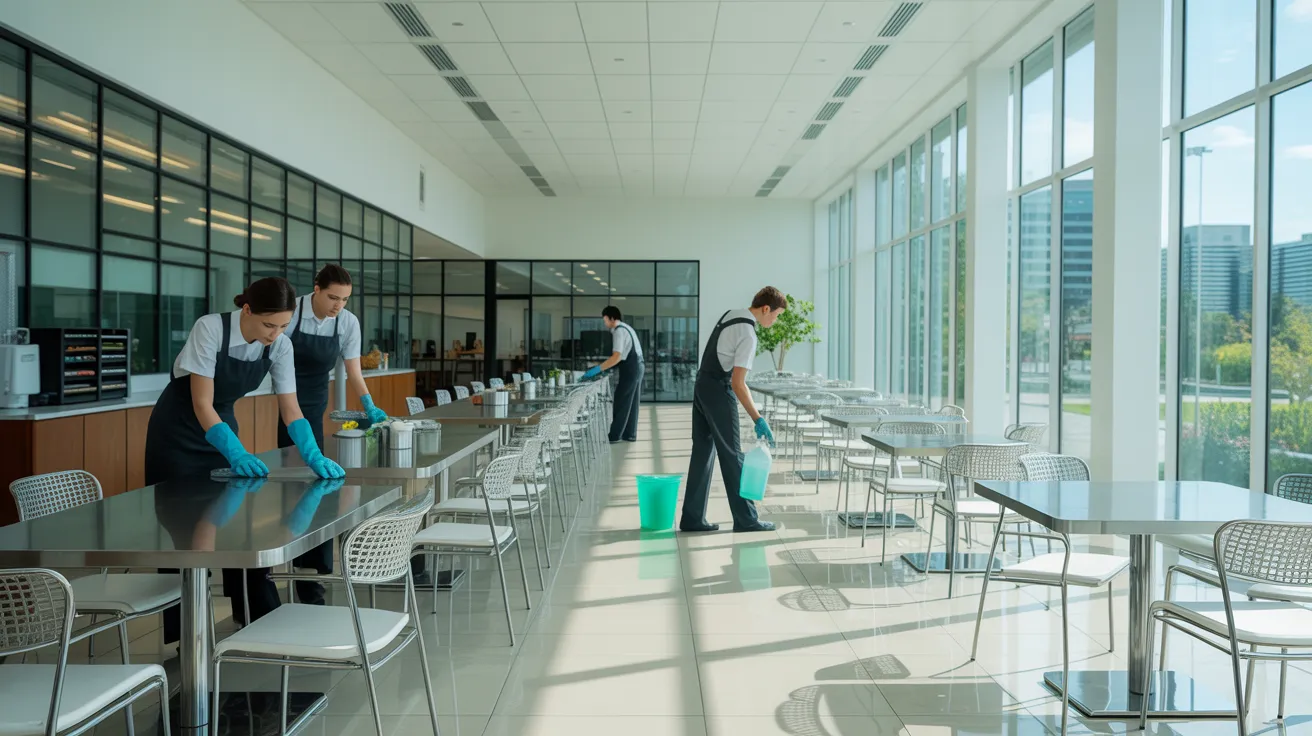
Brampton food safety and commercial cleaning experts help you keep restaurants, commissaries, bakeries, warehouses, and mobile food operations sanitized to standards. detailed information They sanitize high-touch points, food preparation areas, equipment, floors, drains, restrooms, and prep zones using certified sanitizers, proper concentration, and verified exposure periods. in maintaining restaurants, food supply centers, baking operations, warehouses, and mobile food operations in compliance. They sanitize frequently touched areas, food preparation zones, equipment, floors, drains, restrooms, and prep areas with approved chemicals, proper dilution, and documented exposure durations.
Key Takeaways
- Food safety cleaning technicians from Brampton assist restaurants, grocery departments, commissaries, warehouses, bakeries, schools, mobile vendors, and allergen-sensitive operations.
- They disinfect frequently contacted areas, food-contact equipment, kitchens, floors, drains, restrooms, and storage areas using area-specific procedures to eliminate cross-contamination.
- Verification of proper chemical concentration, appropriateness, and contact time is performed by approved specialists, with finalization filed using checks, audits, and corrective-action records.
- Optimal maintenance calendars take into account hazard, throughput, format changes, incidents, and requirements when assigning daily, periodic, and periodic activities by zone.
- Liability, color-categorized instruments, hazard analysis knowledge, health regulatory expertise, WHMIS instruction, testimonials, and inspection-ready hygiene files are critical supplier traits.
Brampton Establishments That Need Food Safety Cleaning: Which Ones?
Food safety cleaning is necessary for any Brampton facility that deals with, keeps, prepares, packages, or provides food. Apply it to your establishment if it meets the criteria for public health review, food regulations, or HACCP protocols. This includes eateries, cafes, warehouses, supermarket areas, meat markets, fish stands, convenience outlets, and institutional food areas.
Compliant food safety cleaning is also required in distribution centers, processing facilities, refrigerated storage, commercial bakeries, school meal programs, event venues, and delivery services. Mobile and temporary operations apply similarly, like mobile kitchens, market vendors, and seasonal booths. Your location needs recorded sanitation procedures when your staff work with ingredients, section finished dishes, heat items, or keep allergens organized. In Brampton, hygiene continues to be not elective; it forms lawful, operational, and customer protection adherence.
Which Areas Do Brampton Cleaning Experts Cover?
You need skilled cleaning experts who disinfect high-touch surfaces, cooking areas, flooring, and bathrooms to ensure compliance with food safety and health standards. These areas are targeted because they carry the greatest contamination risk, falling hazards, and health code violations.
When you know their cleaning scope, you can verify that your facility's cleaning scope meets operational and regulatory requirements.
Cleaning High-Touch Points
create a cleaning protocol
company standards and food safety codes to ensure effectiveness. Staff can employ sample analysis to check disinfection results
Cooking Zones, Walking Surfaces, and Restroom Environments
Brampton cleaning professionals will handle kitchens, floors, and restrooms since each space presents different hygiene concerns, slip-and-fall, and community health challenges. In industrial kitchens, you need grease removal from cooking stations, appliance surfaces, drain systems, preparation areas, and backsplashes to minimize contamination and pest pressure.
Floor care that is documented should equally be anticipated. Technicians clean and remove buildup from tile grout, ceramic surfaces, and vinyl floors, then apply appropriate drying controls so you can reduce slip incidents and maintain code-compliant conditions. They also handle entry points where dampness and dirt enter the building.
Restroom sanitation involves disinfecting surfaces, fittings, separators, dispensers, and containers, replenishing amenities and managing odor. They also service restaurant moprooms, where chemical storage, sink hygiene, and drainage conditions can affect sanitation compliance and staff safety daily.
Why Food Safety Cleaning Matters in Brampton
Brampton businesses need to implement proper sanitation practices for meeting legal standards and passing inspections. You also reduce cross-contamination by cleaning and sanitizing food-contact surfaces, equipment, and high-touch areas correctly. Most importantly, you help protect public health by lowering the risk of foodborne illness in your facility.
Food Safety Regulations
Because Brampton food businesses operate under mandatory safety protocols, food safety cleaning directly impacts your ability to meet health code requirements, protect customers, and sidestep enforcement action. You must maintain hygienic food handling zones, written maintenance records, proper chemical use, and verifiable staff procedures that comply with municipal and provincial inspection expectations.
Effective hygiene procedures helps in managing allergens by decreasing residue buildup on mutual appliances and commonly contacted zones.
Cross-Contamination Control
Maintaining regulatory compliance copyrights on your capacity to prevent cross-contamination during everyday food preparation and sanitation. You need to partition uncooked items from finished dishes, sanitize prep surfaces between tasks, and store chemicals away from food-contact items. Clear procedures reduce transfer risks and support consistent compliance during inspections.
Implementing allergen separation helps keep priority allergens from contacting shared surfaces, containers, or equipment. Deploy dedicated cutting boards, color-coded tools, and strict utensil labeling so workers don't combine products while preparing or distributing. Require handwashing after handling fresh proteins, aquatic items, egg products, or allergen materials. Replace wiping cloths regularly, and validate disinfectant levels using test strips. When your team learns these guidelines per shift, you create a cleaner, safer operation that meets Brampton's food safety expectations regularly.
Community Health Assurance
When sanitation efforts weaken, you don't only risk a failed inspection—you expand the chance of foodborne illness affecting customers, staff, and the larger Brampton community. You also weaken your role in protecting public health, especially in high-traffic food premises where contamination can spread quickly through surfaces, equipment, and touchpoints.
You need cleaning protocols that remove soils, disinfect properly, and verify results. That means following exposure periods, employing authorized sanitizers, recording cleaning times, and training staff to meet regulatory standards. These controls support pathogen reduction by reducing pathogens before they reach food or hands. In Brampton, strong sanitation shields at-risk groups, prevents disease spread, and helps you demonstrate proper care. When you maintain proper standards, you don't just meet regulations—you actively reduce risk and support safer food service throughout the region.
How Does Cleaning Support Food Safety Compliance?
Committing to strict sanitation practices secures food safety compliance by decreasing contamination threats, managing pathogen expansion, and maintaining your facility's adherence to sanitation requirements under HACCP-based programs and public health regulations. You ensure that food-contact surfaces stay visibly clean and microbiologically controlled, backing documented preventive controls and inspection readiness.
Well-executed cleaning efforts also improve allergen management by removing residues that can lead to undeclared allergen exposure.
What's the Ideal Time to Arrange Commercial Cleaning?
spill incidents, and following-maintenance work
Schedule drains, vents, storage racks, and hard-to-reach equipment zones every week or monthly, using inspection results and sanitation documentation.
How Do You Choose Brampton Cleaning Experts?
Screen providers initially by their food-safe sanitation requirements—not budget alone. You need to confirm that every company meets CFIA, public health, and HACCP standards for your operation. Demand proof of insurance, WHMIS compliance, training records, and management systems. Evaluate technician knowledge of contamination dangers, chemical safety, and documented sanitation practices.
You must also evaluate business consistency and oversight. Seek references from Brampton food companies, then assess response speed, corrective processes, and communication quality. Ensure the company enables supplier checks and can provide inspection-compliant records when authorities or third parties demand verification. Verify equipment care, colour-coded tools are deployed correctly, and operational-specific risks are understood. A reputable service safeguards compliance, product integrity, and your market standing.
What details should a sanitation plan contain?
Document a plan that outlines every sanitation task, standard, and responsibility before production begins. You should include cleaning frequencies, approved chemicals, dilution rates, contact times, tools, and verification methods for each zone, surface, and piece of equipment. Remember to add pre-operational inspections, corrective actions, and employee training requirements.
Your plan should also focus on cross-contamination controls, waste handling, pest-prevention measures, and documented schedules for restrooms, drains, floors, and food-contact areas. Describe how you'll separate raw and ready-to-eat processes, support ingredient tracking, and maintain accurate allergen labeling through validated cleaning between product changes. You should assign accountability, maintain signed records, and review results against regulatory standards, HACCP controls, and customer requirements. When gaps appear, modify procedures immediately and instruct staff.
Commonly Requested Inquiries
Do sanitation providers work during nighttime hours at Brampton facilities?
If you manage regulated spaces, you'll also need documentation that enable inspections and ensure compliance.
Are emergency spill response services provided from Brampton cleaning experts?
Yes, you can find Brampton sanitation professionals to provide emergency spill response solutions. They manage hazardous materials, evaluate dangers, isolate affected areas, and begin swift cleanup to reduce exposure and operational disruption. You should confirm their response times, training certifications, PPE protocols, and disposal procedures. If your facility must comply with industry standards, choose a provider that documents incidents, follows compliant sanitation standards, and enables compliance verification.
Will green disinfectants clean safely food-handling equipment?
Yes, plant-based sanitizers can be suitable for food-handling equipment if you choose solutions certified for food use and regulatory compliant. You should validate exposure duration, dilution rates, and rinse protocols before use. Many natural-based solutions reduce toxic chemical contact, but you must obtain evidence of effectiveness against target microorganisms. To preserve residue-free areas, you should follow precise manufacturer instructions and validate the disinfectant satisfies food sanitation requirements.
Can maintenance plans be modified for seasonal production changes?
Without question, sanitation programs customize readily for seasonal variations. Adapt intervals, staff levels, cleaning agents, and confirmation procedures to align with operational cycles while maintaining regulatory compliance. Lower equipment downtime by planning sanitation amid production shifts, high demand periods, and equipment use patterns. Further modify procedural documents, training, and facility monitoring to address periodic risks, new allergens, or higher contamination levels. Consistent reviews keep your plan effective.
Will professional cleaning services teach employees on hygiene best practices?
Certainly, professional cleaning experts train your staff on sanitation best practices. You secure staff training on correct chemical practices, processing times, cross-contamination prevention, machine disassembly, and documentation procedures. They generally coordinate instruction with HACCP, GMP, and CFIA or local public health standards. Many also run sanitation audits to verify compliance, uncover shortcomings, and strengthen corrective measures. This enables you to copyright standard processes, pass inspections, and reduce food safety risks daily.
Final Thoughts
Through working with Brampton commercial cleaning and food safety experts, you do far more than tidy—you keep your operation prepared for inspections and your procedures stay aligned with regulations. From production floors to kitchens, all maintained surfaces and kept corners help prevent pest problems and avoid major losses. Through scheduling maintenance on suitable timelines and sticking to a solid cleaning plan, you ensure protection for employees, your patrons, and your standing. Within strict regulatory frameworks, clean conditions cannot be considered optional—they represent good business practice.